Renovating a kitchen, bathroom, villa or office in the UAE means choosing the right contractor, getting approvals and keeping control of the budget. Contractors in Dubai, Sharjah and Abu Dhabi range from small maintenance teams to licensed fit-out companies. A clear scope, a written quote and payments tied to finished work protect you from the most common problems: delays, extra charges and poor finishing.
What do renovation contractors do?
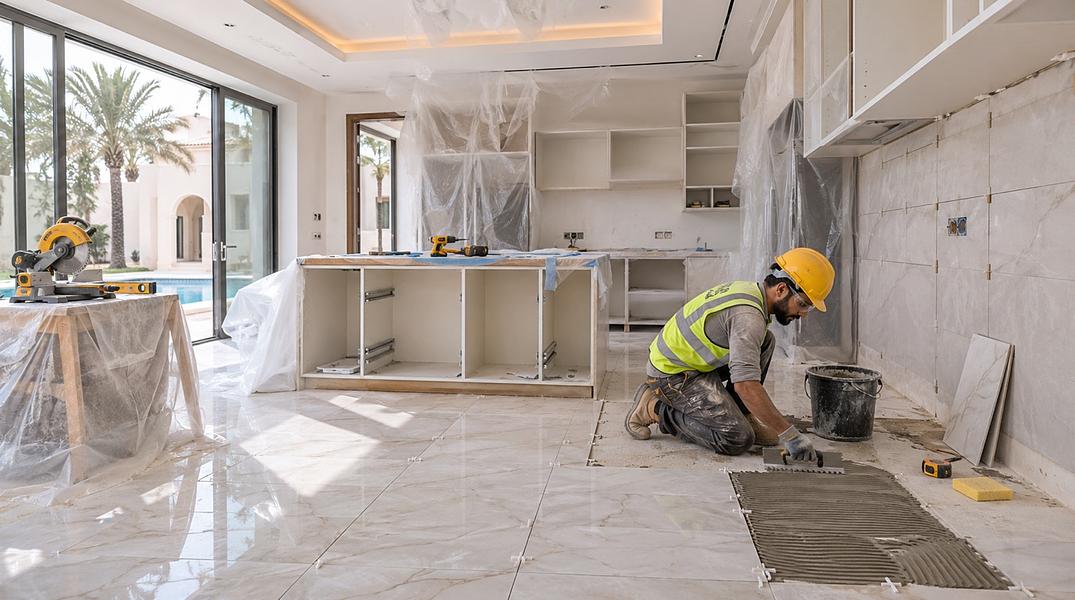
- Kitchens and bathrooms: new cabinets, tiles, sanitary ware, plumbing and waterproofing.
- Painting and flooring: interior and exterior painting, tiles, marble, parquet and vinyl.
- Gypsum and joinery: false ceilings, partitions, wardrobes and doors.
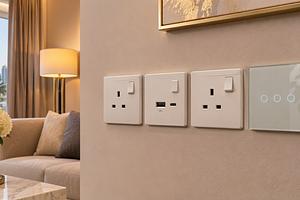
- MEP work: electrical, plumbing and AC changes, which need qualified technicians.
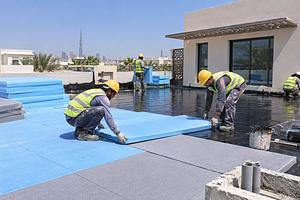
- Outdoor work: landscaping, car parking shades, pergolas and boundary walls.
- Office fit-outs: partitions, ceilings, lighting and data cabling for commercial spaces.
Do you need a permit?
Small cosmetic jobs such as painting usually only need permission from the building management or landlord. Structural changes, new partitions, MEP changes, extensions and most villa or office works need approval from the municipality and, in communities, a no-objection certificate from the master developer. A licensed contractor should know which approvals are needed and apply for them. If you rent, get the landlord's written approval first.
How do you compare quotes?
- Same scope: give every contractor the same list of work, sizes and finishes, so the prices are comparable.
- Itemised price: ask for labour, materials and brands listed separately, not a single total.
- Timeline: ask for a start date, finish date and what happens if work is late.
- Trade licence: check the company licence covers the type of work, and ask for photos of past jobs.
- Warranty: ask what is covered after handover, especially waterproofing, tiling and plumbing.
How should you pay?
Avoid paying most of the money upfront. A common structure is a modest advance, payments at agreed stages such as demolition, first fix and tiling, and a final amount held back until snagging is complete and everything works. Pay by bank transfer or cheque, keep receipts, and put the payment schedule in the written contract.
Find renovation contractors on TradoO
- Construction and renovation services in Dubai
- Construction and renovation services in Sharjah
- Construction and renovation services in Abu Dhabi
- Plumbing and sanitary ware in Abu Dhabi
- Bathroom fittings and accessories guide
Frequently asked questions
How long does a bathroom renovation take?
A standard bathroom usually takes two to four weeks, including demolition, plumbing, waterproofing, tiling and fitting. Approvals and custom items can add time.
Should materials be included in the quote?
It is usually easier if they are, but ask for brands and models in writing. If you supply materials yourself, agree who is responsible for wastage and delays.
What is snagging?
Snagging is the final inspection where you list defects such as cracks, uneven tiles or leaks. The contractor fixes them before you make the last payment.